Planning to build or renovate your home? Choosing the right wall materials is crucial for ensuring durability, energy efficiency, and comfort, especially considering the diverse climates across the U.S.
In this guide, you’ll discover:
- The best wall materials suited for various U.S. climates
- Pros and cons of each material, including maintenance requirements and lifespan
- How each material fares in terms of aesthetics and practicality
- Compatibility with modern upgrades like solar panels and rainwater harvesting systems
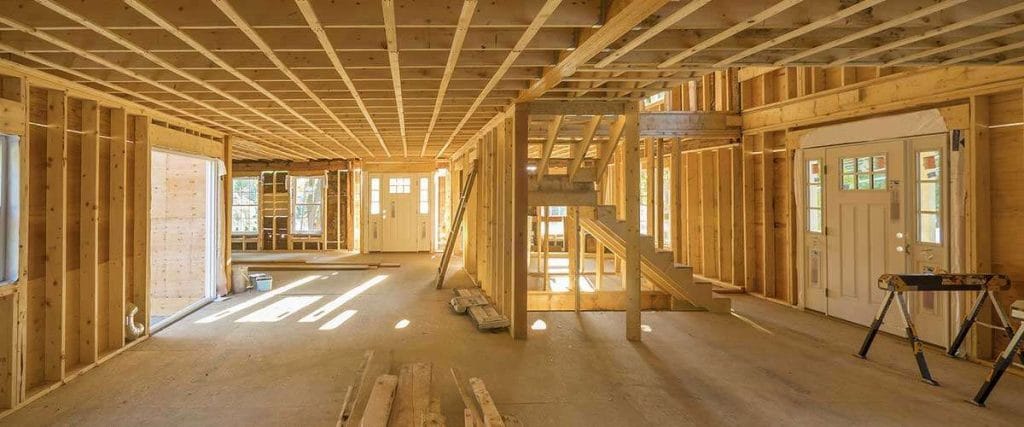
1. Wood Framing (Lumber)
Ideal for: Temperate climates
Common in: Northeast, Midwest
Pros:
- Cost-effective and widely available
- Easy to work with and modify
- Natural insulation properties
Cons:
- Susceptible to moisture, pests, and fire
- Requires regular maintenance (painting, sealing)
- Shorter lifespan compared to masonry
Lifespan: 30–50 years with proper maintenance
Maintenance Level: Moderate
Aesthetic Appeal: Traditional and versatile
Compatibility with Upgrades: High
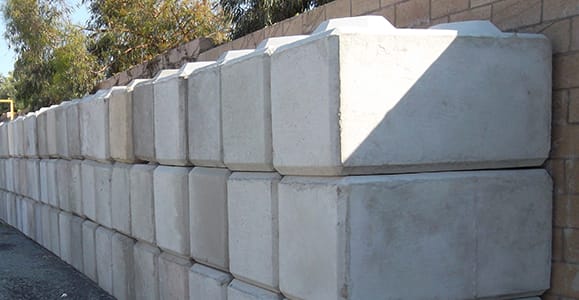
2. Concrete Blocks (CMU)
Ideal for: Hot, humid, and hurricane-prone areas
Common in: Southeast, Gulf Coast
Pros:
- Highly durable and fire-resistant
- Excellent thermal mass for temperature regulation
- Resistant to pests and moisture
Cons:
- Requires insulation for energy efficiency
- Can be labor-intensive to install
- Limited aesthetic options without additional finishes
Lifespan: 50–100 years
Maintenance Level: Low
Aesthetic Appeal: Industrial; can be enhanced with finishes
Compatibility with Upgrades: High
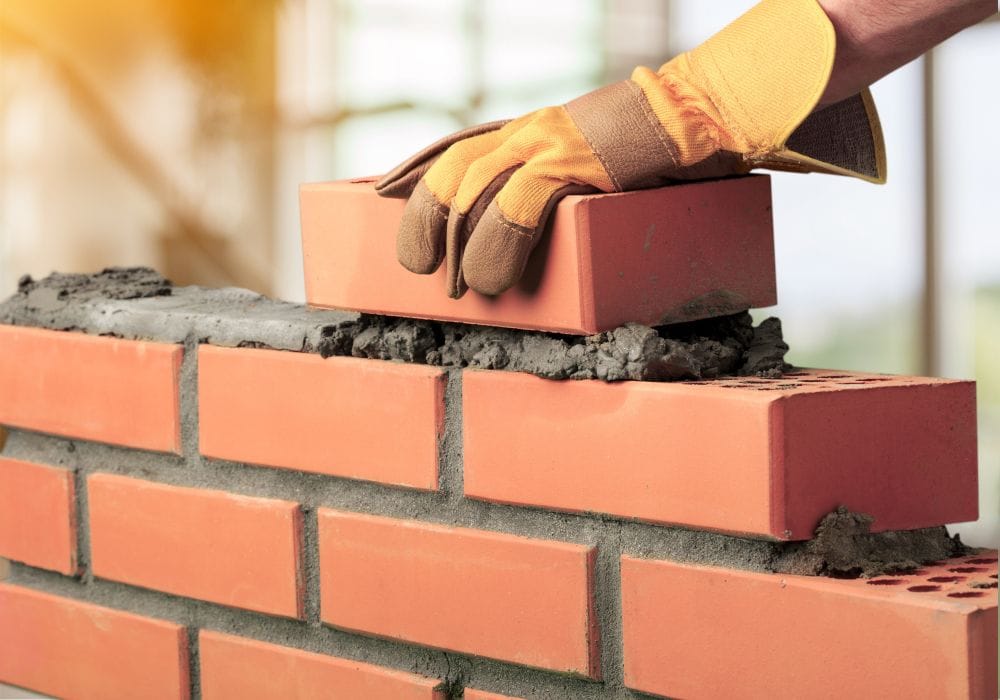
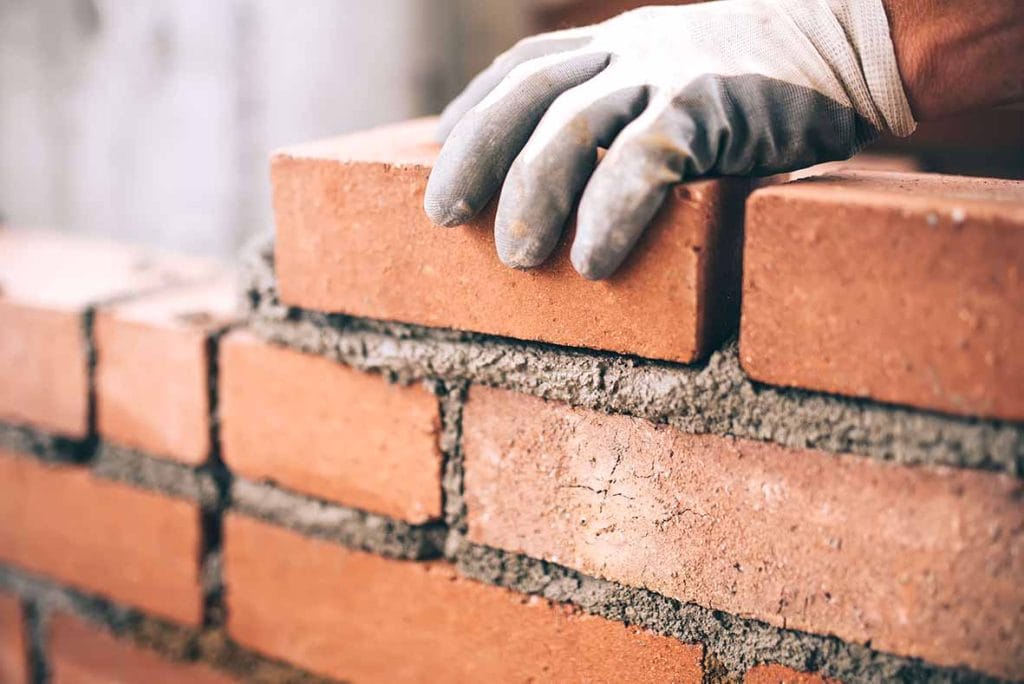
3. Brick
Ideal for: Various climates; excellent in temperate and humid areas
Common in: Mid-Atlantic, South
Pros:
- Long-lasting and low maintenance
- Fire-resistant and durable
- Classic aesthetic appeal
Cons:
- Higher upfront cost
- Limited insulation properties; may require additional insulation
Lifespan: 100+ years
Maintenance Level: Low
Aesthetic Appeal: Timeless and elegant
Compatibility with Upgrades: Moderate
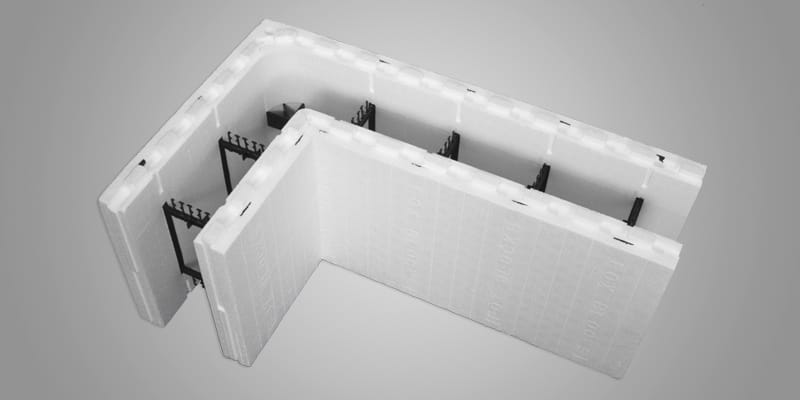
4. Insulated Concrete Forms (ICFs)
Ideal for: Cold and energy-conscious climates
Common in: Northern states, mountainous regions
Pros:
- Superior insulation and energy efficiency
- Strong and disaster-resistant
- Reduces noise transmission
Cons:
- Higher initial cost
- Requires specialized labor
Lifespan: 75–100 years
Maintenance Level: Low
Aesthetic Appeal: Flexible with various finishes
Compatibility with Upgrades: High
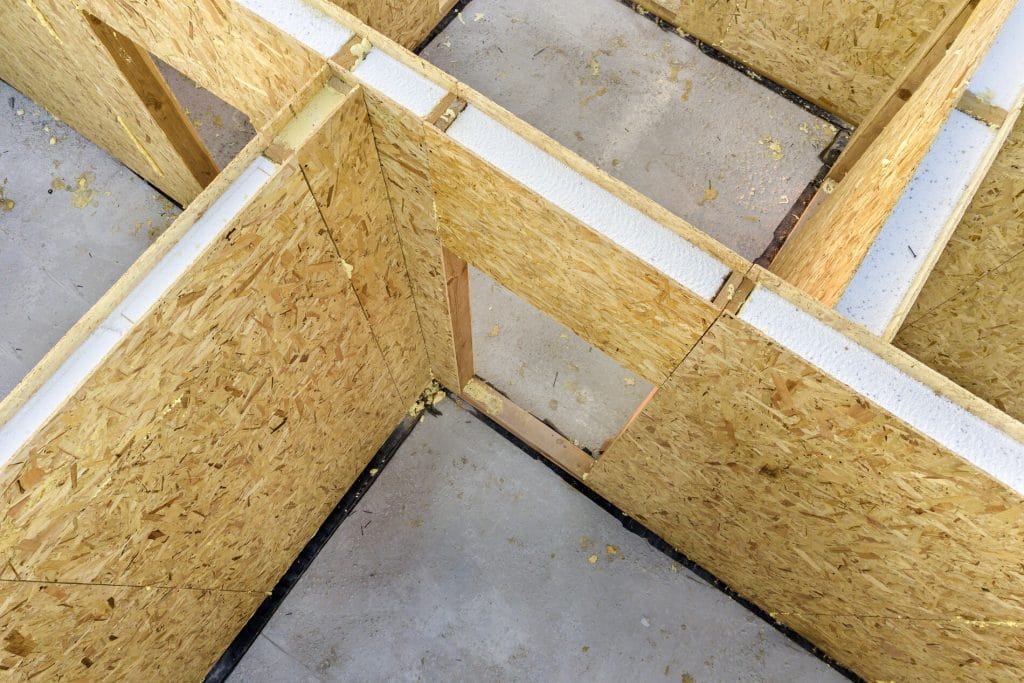
5. Structural Insulated Panels (SIPs)
Ideal for: Energy-efficient homes in various climates
Common in: Nationwide
Pros:
- High insulation value
- Quick installation
- Reduces air leakage
Cons:
- Higher material cost
- Limited flexibility for modifications
Lifespan: 60–90 years
Maintenance Level: Low
Aesthetic Appeal: Modern and clean lines
Compatibility with Upgrades: High
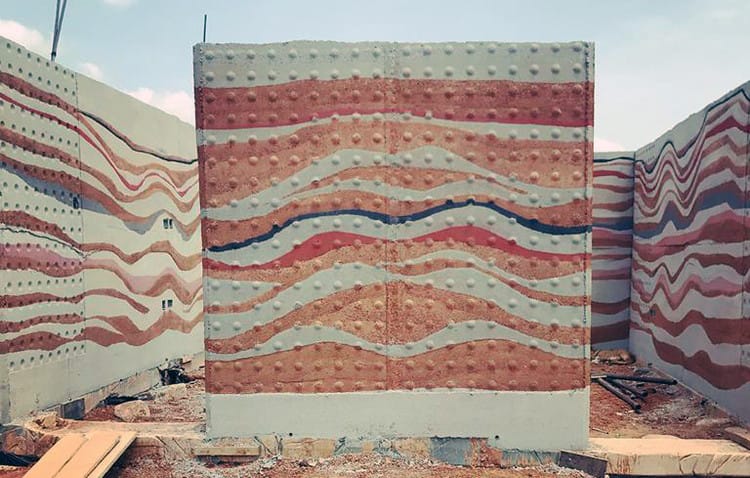
6. Adobe and Rammed Earth
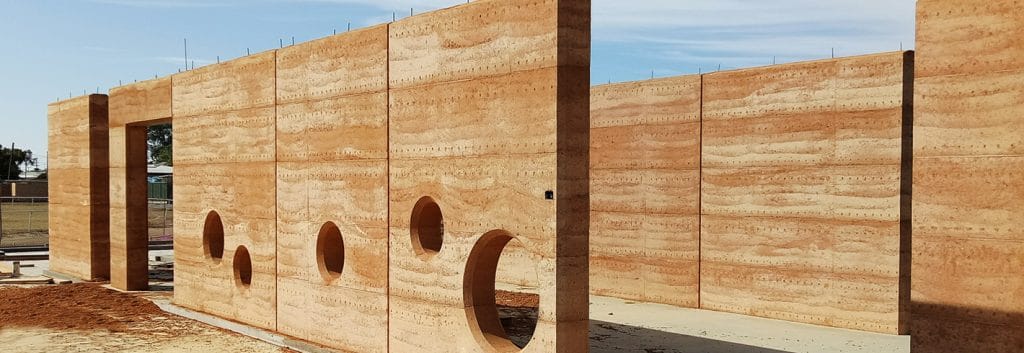
Ideal for: Hot, arid climates
Common in: Southwest
Pros:
- Excellent thermal mass
- Eco-friendly and sustainable
- Natural aesthetic
Cons:
- Not suitable for wet climates
- Labor-intensive construction
Lifespan: 50–100 years with maintenance
Maintenance Level: Moderate
Aesthetic Appeal: Rustic and natural
Compatibility with Upgrades: Moderate
7. Straw Bale
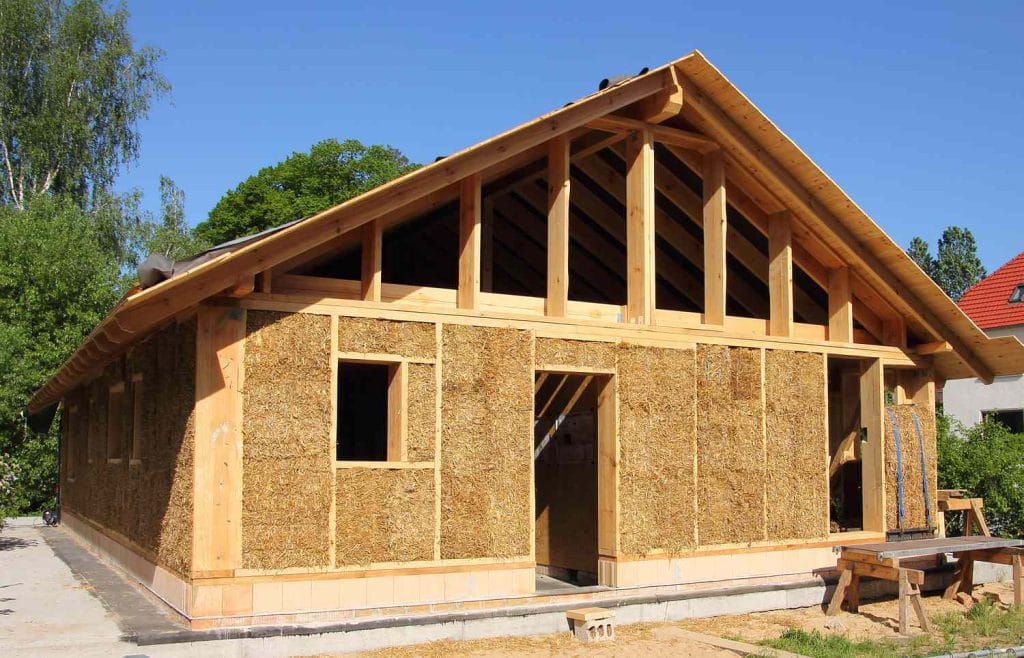
Ideal for: Dry climates with temperature extremes
Common in: Southwest, rural areas
Pros:
- High insulation value
- Renewable and sustainable
- Cost-effective
Cons:
- Requires protective finishes to prevent moisture damage
- Not suitable for humid climates
Lifespan: Up to 100 years with proper maintenance
Maintenance Level: Moderate
Aesthetic Appeal: Unique and rustic
Compatibility with Upgrades: Moderate
8. Fiber Cement Siding
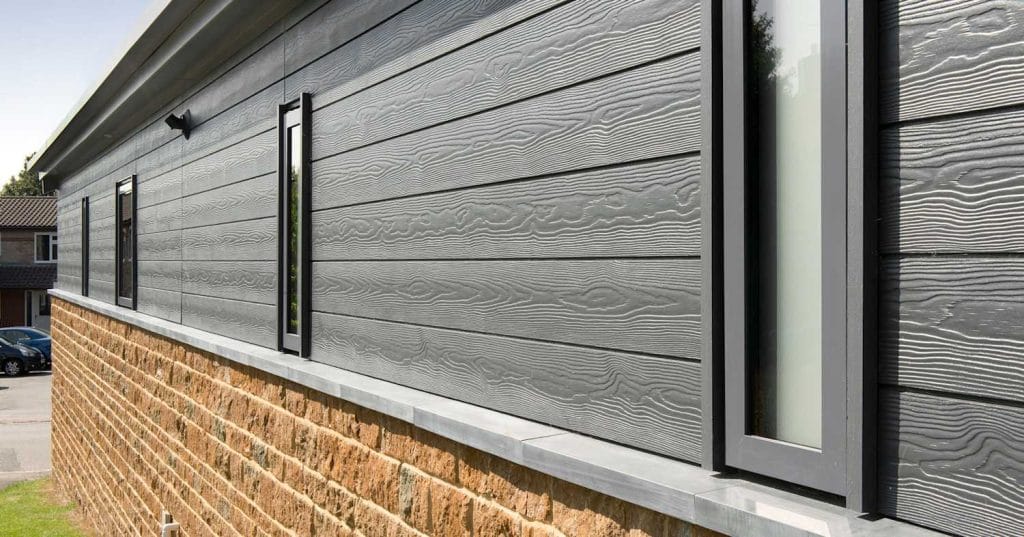
Ideal for: Humid and coastal climates
Common in: Southeast, Pacific Northwest
Pros:
- Resistant to moisture, fire, and pests
- Low maintenance
- Variety of styles and colors
Cons:
- Heavier than other siding options
- Higher installation cost
Lifespan: 50+ years
Maintenance Level: Low
Aesthetic Appeal: Versatile and modern
Compatibility with Upgrades: High
Comparison Table
| Material | Ideal Climates | Lifespan | Maintenance | Aesthetic Appeal | Upgrade Compatibility |
|---|---|---|---|---|---|
| Wood Framing | Temperate | 30–50 years | Moderate | High | High |
| Concrete Blocks (CMU) | Hot, humid, hurricane-prone | 50–100 years | Low | Moderate | High |
| Brick | Various | 100+ years | Low | High | Moderate |
| Insulated Concrete Forms | Cold, energy-conscious | 75–100 years | Low | High | High |
| Structural Insulated Panels | Various | 60–90 years | Low | High | High |
| Adobe/Rammed Earth | Hot, arid | 50–100 years | Moderate | High | Moderate |
| Straw Bale | Dry, extreme temperatures | Up to 100 years | Moderate | High | Moderate |
| Fiber Cement Siding | Humid, coastal | 50+ years | Low | High | High |