Planning to build your dream home? Selecting the appropriate foundation is crucial to ensure structural integrity, longevity, and safety. This guide will help you understand how different soil types, water table levels, and seismic activities influence foundation choices.
1. Understanding Soil Types and Their Impact
Different soil types have varying load-bearing capacities and behaviors:
- Rocky or Gravelly Soils: High load-bearing capacity, minimal settlement. Ideal for shallow foundations.
- Clay Soils: Prone to expansion and contraction with moisture changes, leading to potential structural damage.
- Sandy Soils: Good drainage but can be unstable and prone to erosion.
- Silty Soils: Moderate load-bearing capacity but can retain moisture, affecting foundation performance.
2. Considering Water Table Levels
High water tables can compromise foundation stability:
- Shallow Foundations: May not be suitable in areas with high water tables due to potential water infiltration.
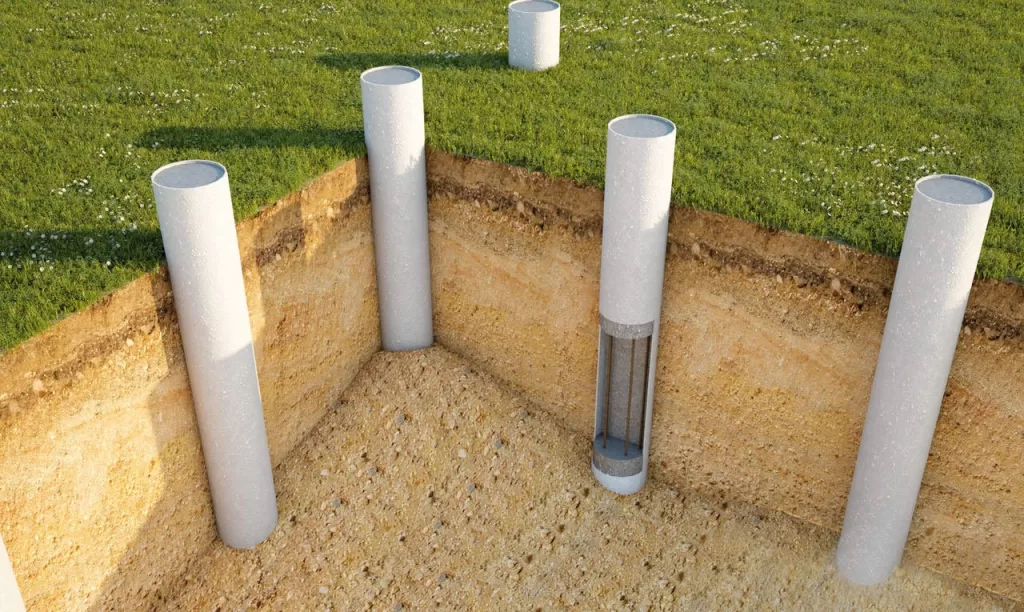
- Pile Foundations: Extend deep into the ground, bypassing unstable upper layers and reaching stable strata.
3. Seismic Zone Considerations
In earthquake-prone areas, foundation design must account for seismic forces:
- Base Isolation Systems: Allow the building to move independently of ground motion, reducing seismic impact.
- Pile Foundations: Provide deep anchoring, enhancing stability during seismic events.
4. Common Foundation Types: Pros and Cons
| Foundation Type | Ideal Conditions | Pros | Cons |
|---|---|---|---|
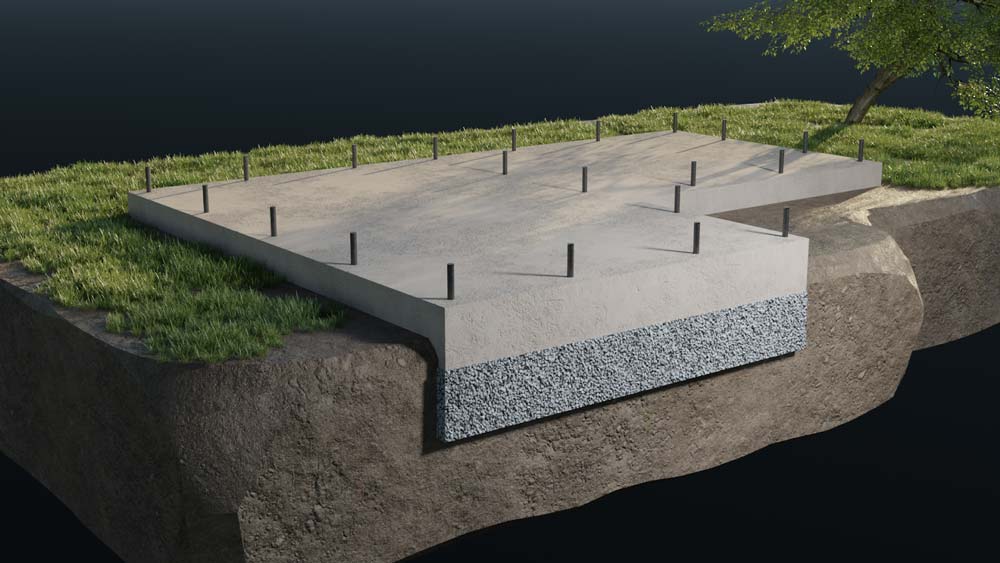
| Slab-on-Grade | Stable soils, low water table | Cost-effective, quick installation | Limited access to utilities, not suitable for expansive soils |
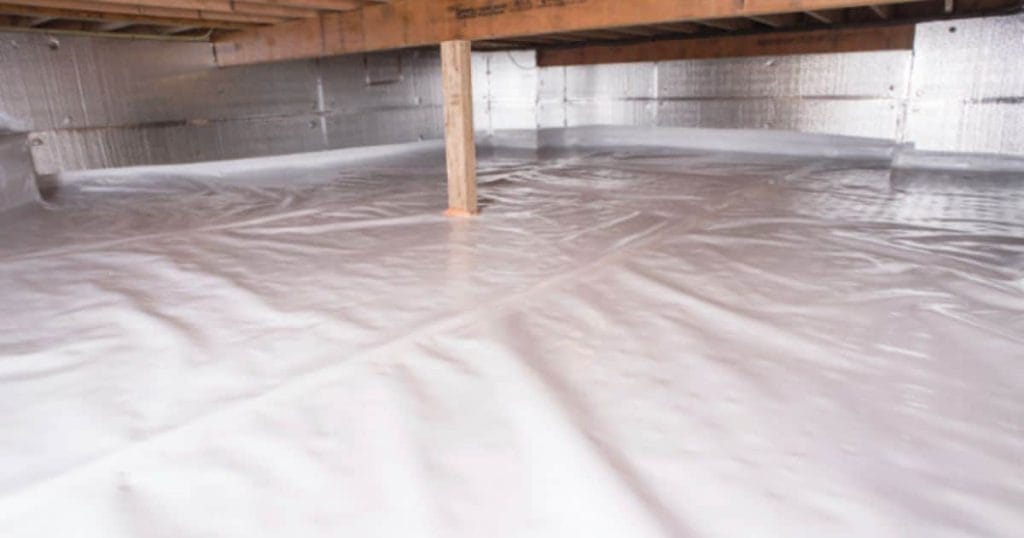
| Crawlspace | Moderate climates, sloped sites | Access to utilities, protection from flooding | Requires ventilation, potential for moisture issues |
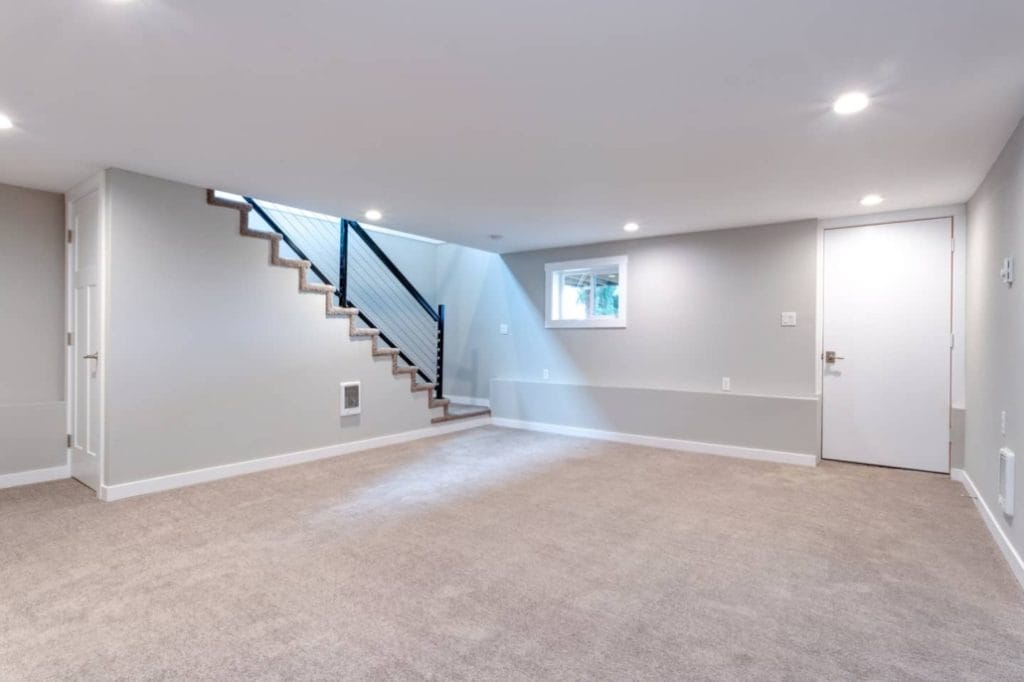
| Basement | Cold climates, sloped sites | Additional living/storage space | Higher cost, potential for water intrusion |
| Pile Foundation | High water table, weak soils, seismic zones | Deep stability, suitable for various conditions | Higher cost, specialized installation |
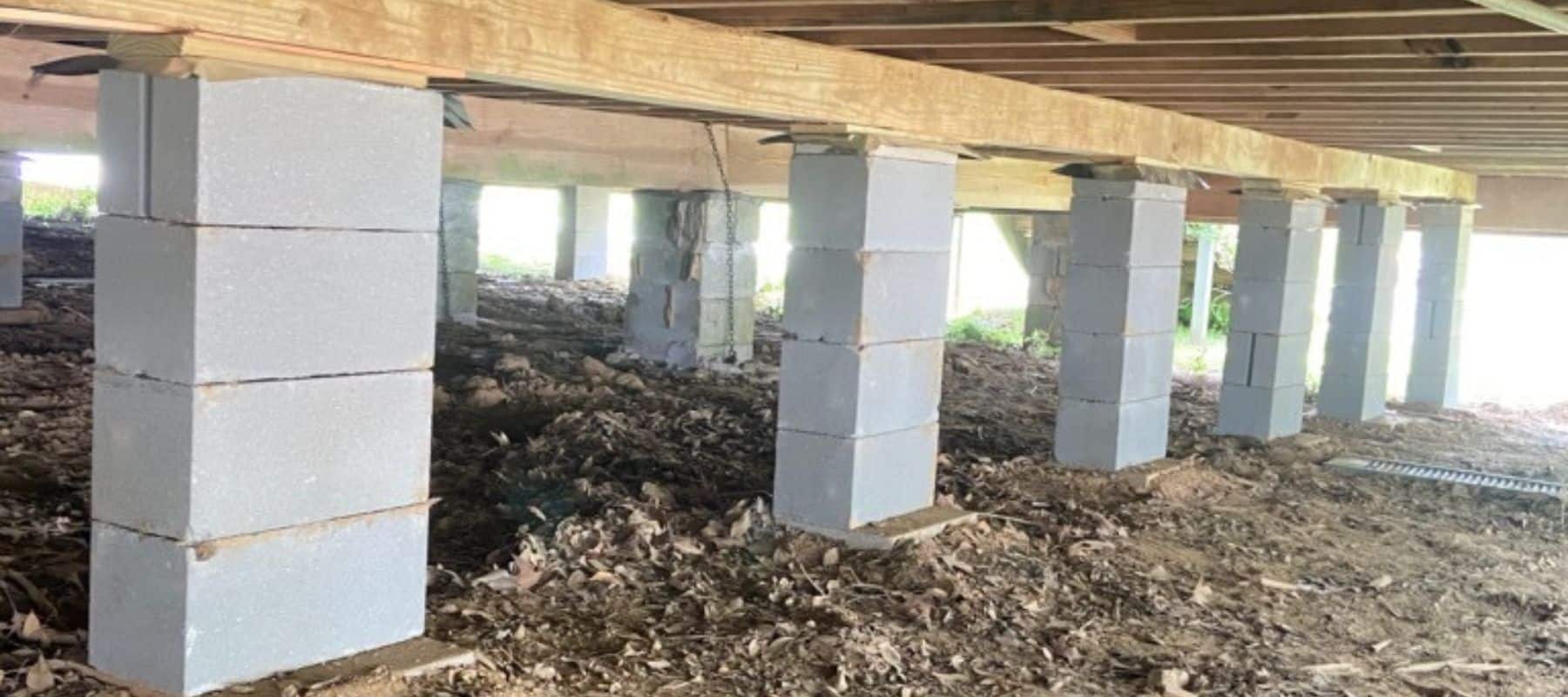
| Pier and Beam | Expansive soils, seismic zones | Flexibility, access to utilities | Requires maintenance, potential for pest intrusion |
5. Lifespan and Maintenance
| Foundation Type | Estimated Lifespan | Maintenance Level |
|---|---|---|
| Slab-on-Grade | 50–100 years | Low |
| Crawlspace | 30–50 years | Moderate |
| Basement | 75–100 years | High |
| Pile Foundation | 100+ years | Low |
| Pier and Beam | 50–75 years | Moderate |
Need personalized advice for your specific location and soil conditions? Consult with a local structural engineer or foundation specialist to determine the best foundation type for your home.