Planning a new home or replacing your roof? This complete guide will help you choose the best roof type for your climate, lifestyle, and budget — whether you’re battling snow, hail, hurricanes, or intense summer heat.
Here’s what you’ll learn:
- Which roof shapes are most durable in your region
- The real lifespan and maintenance needs of each roof
- How to turn your roof into a functional system (solar, water, insulation)
- Which roof type is easiest to maintain over time
- How each roof style ranks for aesthetic appeal, practicality, and long-term cost
Let’s dive in.
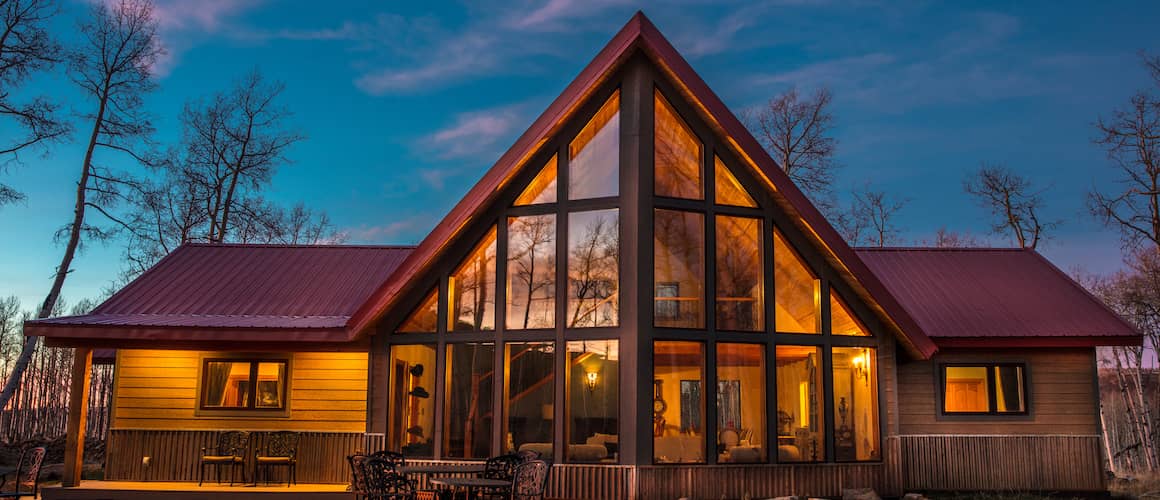
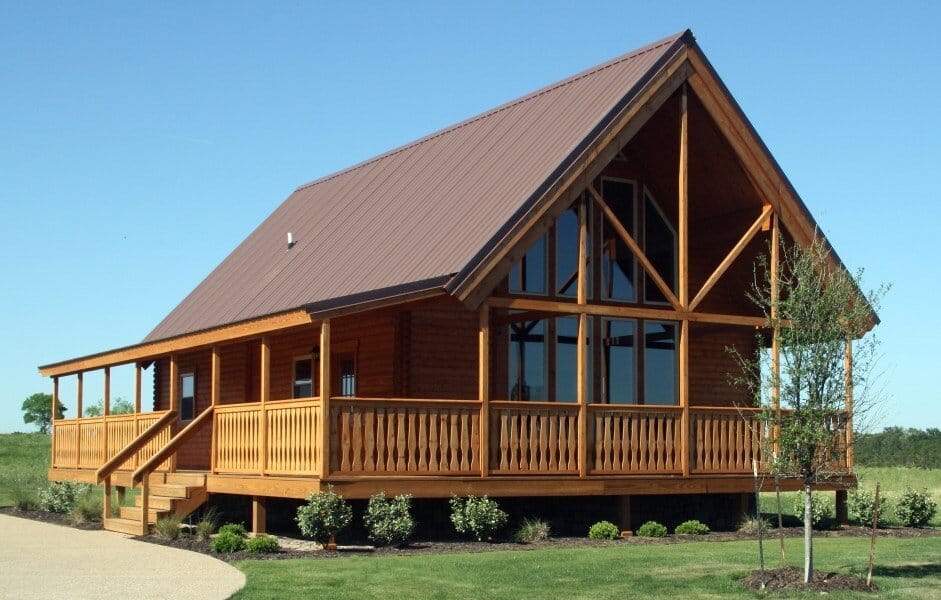
1. Gable Roof (A-Frame Roof)
Great for: Cold climates, snowy winters, classic suburban style
Common in: Midwest, Northeast, mountain regions
| Feature | Details |
|---|---|
| Aesthetics | Traditional, clean lines, fits most home styles |
| Practicality | Excellent for snow/rain runoff, attic ventilation |
| Maintenance | Easy to inspect and repair |
| Lifespan | 30–50 years (asphalt shingles), 50–70 (metal) |
| Major Repairs | Every 20–25 years (shingles), minimal for metal |
Pros:
- Inexpensive, easy to build.
- Perfect pitch for snow and solar panels.
- Simple to ventilate attic spaces.
Cons:
- Vulnerable to wind damage on exposed gable ends.
- Limited usability (not walkable or livable).
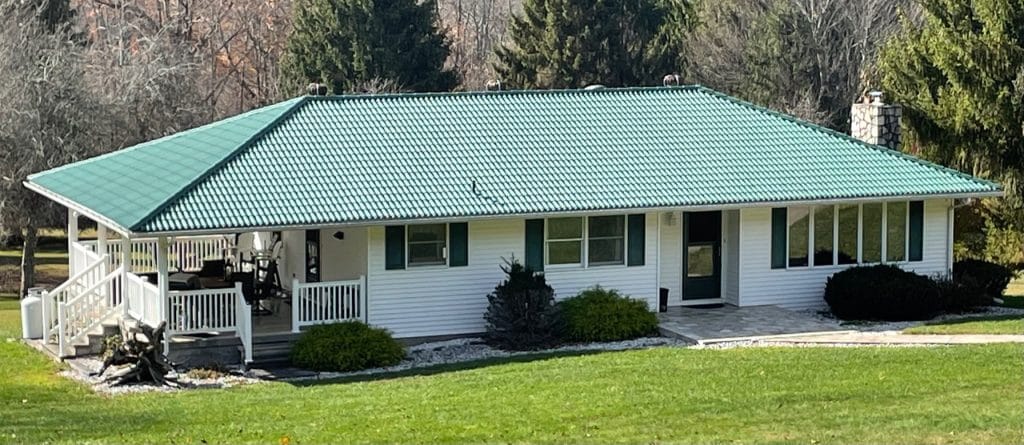
2. Hip Roof
Great for: Hurricane zones, windy areas, snow load
Popular in: Gulf Coast, Southeast, coastal regions
| Feature | Details |
|---|---|
| Aesthetics | Elegant, symmetrical, upscale appearance |
| Practicality | Excellent wind/snow load performance |
| Maintenance | Moderate (more joints = more potential for leaks) |
| Lifespan | 40–60 years (metal, tile), 25–30 (shingle) |
| Major Repairs | 25–30 years (shingles), flashing/valley joints upkeep |
Pros:
- Great for high-wind or storm-prone areas.
- Stable and strong structure.
- Looks great on almost any house.
Cons:
- More complex and expensive to build.
- Reduced attic or loft space.
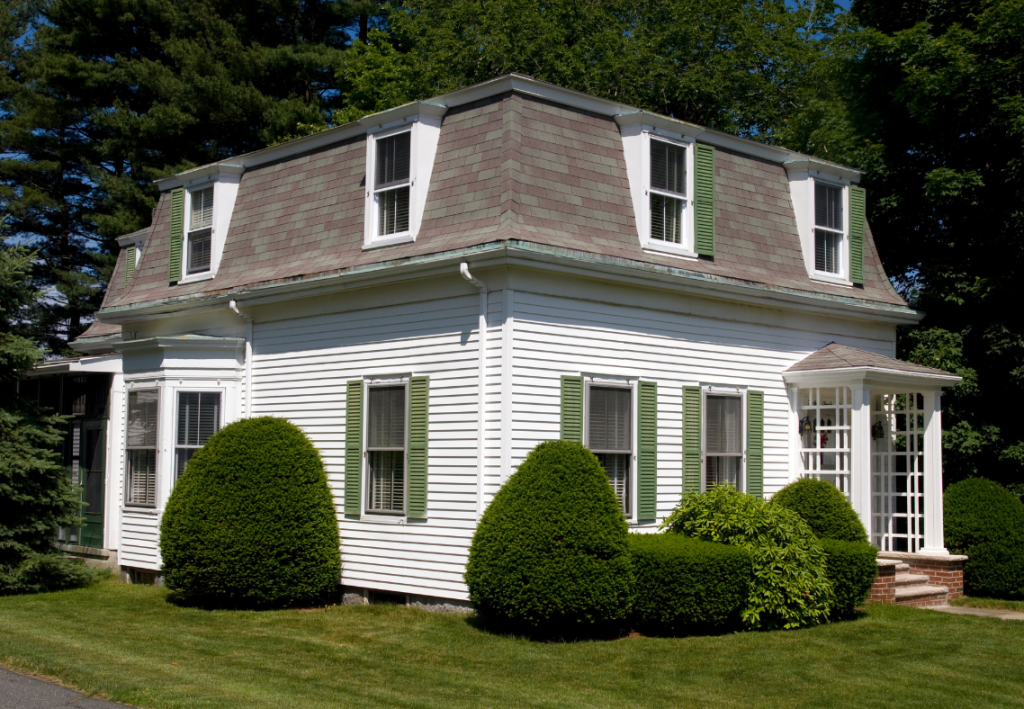
3. Mansard Roof (French Roof)
Great for: Maximizing living space in zoning-restricted lots
Seen in: Urban infill housing, classic Northeastern architecture
| Feature | Details |
|---|---|
| Aesthetics | Historic, European-style, elegant profile |
| Practicality | Adds usable floor space in the attic |
| Maintenance | High – complex waterproofing and insulation needed |
| Lifespan | 30–50 years (depends on materials) |
| Major Repairs | 20–30 years, complex flashing points |
Pros:
- Adds a full story to your home without height penalty.
- Can incorporate dormers and skylights beautifully.
- Increases property value if well executed.
Cons:
- Expensive materials and labor.
- Requires skilled insulation and waterproofing.
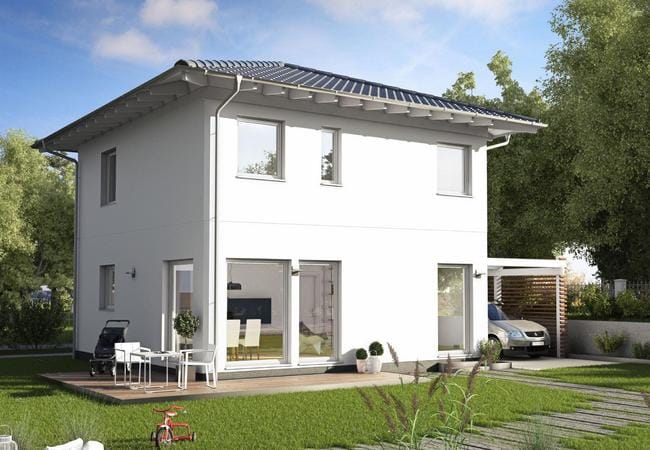
4. Pyramid Roof (Four-Sided Hip)
Great for: Compact square homes in storm-prone areas
Used in: Coastal homes, modern designs
| Feature | Details |
|---|---|
| Aesthetics | Simple, geometric symmetry |
| Practicality | Extremely resistant to wind |
| Maintenance | Low (fewer edges, no gables) |
| Lifespan | 40–60 years with metal or tile |
| Major Repairs | Minimal, if well-constructed |
Pros:
- Wind-resistant, ideal for hurricane zones.
- Minimal edge exposure = less leak risk.
Cons:
- Not optimal for solar orientation.
- Limited attic usage.
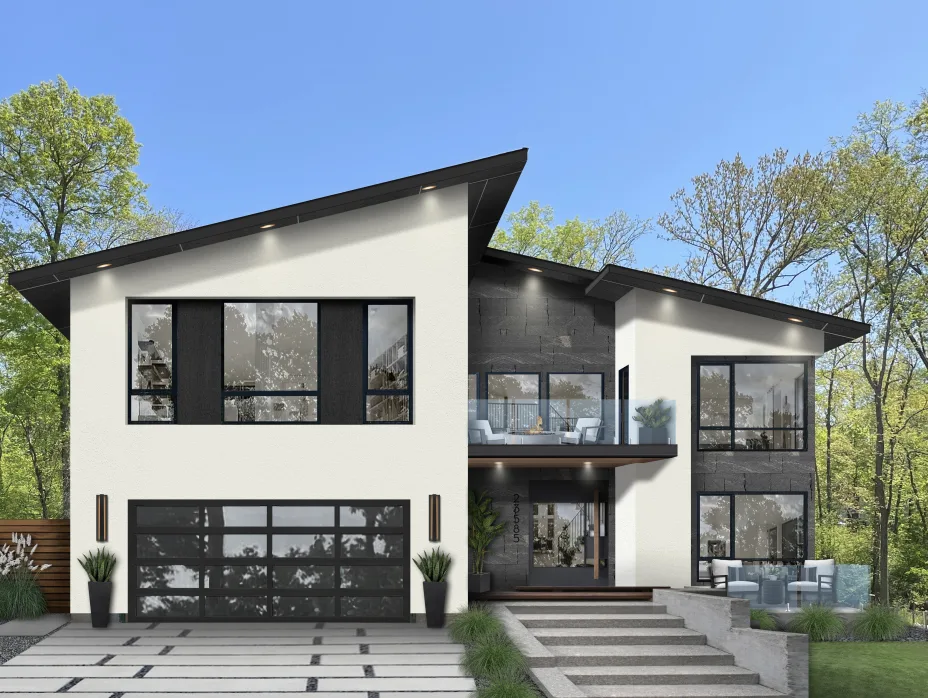
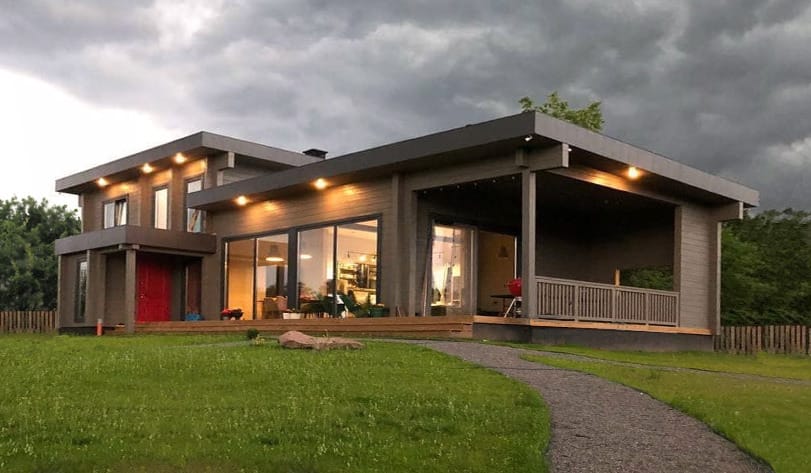
5. Shed Roof (Mono-pitch Roof)
Great for: Modern homes, passive solar design
Ideal in: Southwest, California, Arizona
| Feature | Details |
|---|---|
| Aesthetics | Contemporary, minimalist, industrial-style |
| Practicality | Great solar angle and easy water collection |
| Maintenance | Very low – one slope means fewer problems |
| Lifespan | 30–50 years depending on material |
| Major Repairs | 20–30 years if asphalt or membrane roofing used |
Pros:
- Ideal slope for solar panels.
- Affordable and easy to construct.
- Allows for tall ceilings or clerestory windows.
Cons:
- Not ideal for snowy regions (risk of snow load).
- May not blend well in traditional neighborhoods.
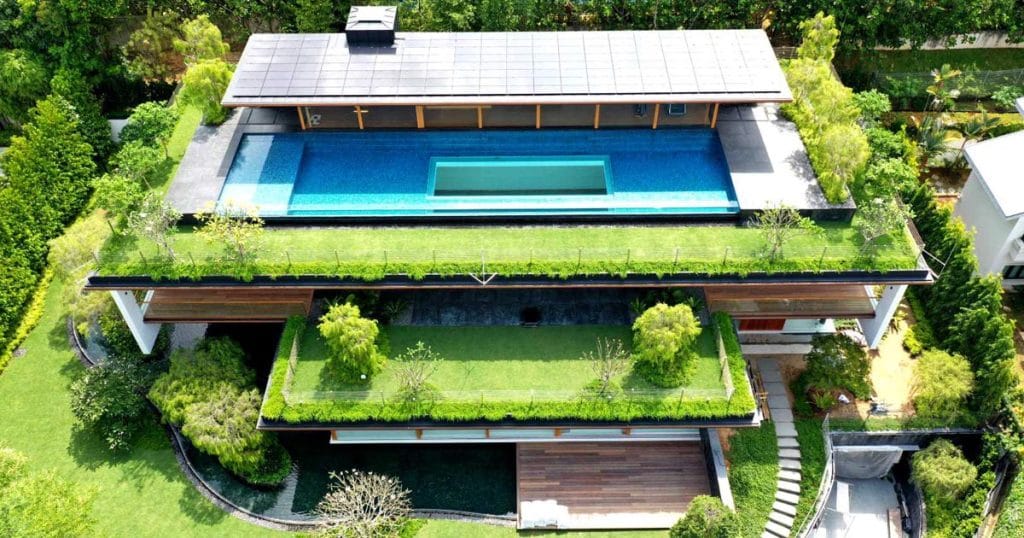
6. Flat Roof (Usable or Green Roof)
Great for: Urban homes, sustainable architecture
Common in: Southwest, urban infill projects, off-grid builds
| Feature | Details |
|---|---|
| Aesthetics | Sleek, modern, roof-as-space design |
| Practicality | Use as terrace, solar platform, or green roof |
| Maintenance | High – needs regular inspection and drainage management |
| Lifespan | 20–40 years (membrane), 30+ (with green roof system) |
| Major Repairs | 15–25 years, drainage & waterproofing rework |
Pros:
- Fully usable space (rooftop deck, garden, solar).
- Ideal for water harvesting systems.
- Great for maximizing square footage in tight lots.
Cons:
- Needs high-quality waterproofing.
- Not ideal for snow unless heated or reinforced.
- More intensive maintenance schedule.
Smart Roof Upgrades: Add Functionality to Your Home
| Feature | Adds Value Through | Notes |
|---|---|---|
| Solar Panels | Energy savings, federal tax incentives | Ideal on south-facing gable, shed, or flat roofs |
| Solar Water Heating | Eco-friendly hot water | Pairs well with metal or shed roofs |
| Rainwater Collection | Water independence in dry regions | Needs pre-filtration, tanks, and storage |
| Green Roofs | Stormwater management, thermal insulation | Requires heavy-duty structure, maintenance |
| Cool Roof Coatings | Lowers indoor temperature, extends roof life | Re-coating every 10–15 years in sunny regions |
Final Comparison Table: Roofing Styles by Key Criteria
| Roof Type | Aesthetic Score | Maintenance Level | Lifespan (approx.) | Best Climate |
|---|---|---|---|---|
| Gable | ★★★★☆ | Low | 30–50 yrs | Cold, temperate, snowy |
| Hip | ★★★★☆ | Moderate | 40–60 yrs | Windy, coastal |
| Mansard | ★★★★★ | High | 30–50 yrs | Temperate, urban |
| Pyramid Hip | ★★★☆☆ | Low | 40–60 yrs | Wind-prone, compact homes |
| Shed | ★★★★☆ | Very Low | 30–50 yrs | Sunny, dry, modern |
| Flat | ★★★★☆ | High | 20–40 yrs | Urban, sustainable homes |
Conclusion: Choosing the Right Roof for Your Climate and Lifestyle
Your roof is more than a cover — it’s a climate shield, energy system, and long-term investment. Whether you’re building in snowy Colorado, sunny Arizona, or stormy Florida, picking the right roof shape and system can cut costs, increase comfort, and raise resale value.
Still not sure which roof fits your home? I can help you create a custom comparison chart or download-ready guide tailored to your region.